
 English
 Portugues
 Pусский
 Tiếng Việt
Nonwoven Kumaş Malzeme Fiyatı
Nonwoven Fabric Material Price Overview Nonwoven fabric is a versatile material widely used in industries such as healthcare, automotive, construction, and hygiene products due to its cost-effectiveness, durability, and adaptability. The price of nonwoven fabric varies significantly depending on several factors, including raw material costs, production methods, fabric weight, and market demand. Key Factors Influencing Nonwoven Fabric Prices 1. Raw Material Costs The primary materials used in nonwoven production include polypropylene (PP), polyester (PET), polyethylene (PE), and natural fibers like cotton or viscose. Polypropylene is the most common due to its affordability and excellent properties. Fluctuations in petroleum prices directly impact synthetic fiber costs, leading to price volatility in nonwoven fabrics. 2. Manufacturing Process Nonwoven fabrics are produced using different techniques such as spunbond, meltblown, needle-punching, and hydroentanglement. Spunbond nonwovens are generally more economical, while meltblown fabrics, used in high-performance applications like medical masks, are more expensive due to complex production processes. 3. Fabric Weight and Thickness The weight (measured in grams per square meter, GSM) significantly affects pricing. Lightweight fabrics (10-30 GSM) are cheaper, while heavier fabrics (over 100 GSM) used in industrial applications cost more due to higher material consumption. 4. Additives and Finishing Treatments Additional treatments such as antimicrobial coatings, flame retardancy, or water resistance increase production costs. Specialty nonwovens with enhanced functionalities command premium prices. 5. Market Demand and Supply Chain Global demand surges, such as during the COVID-19 pandemic for medical-grade nonwovens, can cause price spikes. Supply chain disruptions, transportation costs, and regional availability also influence pricing. 6. Geographical Factors Production costs vary by region due to labor expenses, energy prices, and local regulations. Manufacturers in Asia, particularly China, often offer competitive pricing due to economies of scale. Price Range Estimates - Standard PP Spunbond Nonwoven: $0.50 - $2.00 per square meter (depending on GSM). - Meltblown Nonwoven (for filtration): $3.00 - $10.00 per square meter. - Needle-Punched Nonwoven (industrial use): $1.50 - $5.00 per square meter. Conclusion Nonwoven fabric prices are dynamic and influenced by multiple variables. Buyers should consider material specifications, application requirements, and supplier reliability when sourcing. Bulk purchasing and long-term contracts can help mitigate cost fluctuations. As sustainability trends grow, recycled nonwoven fabrics may also impact future pricing structures. For accurate pricing, suppliers typically provide quotations based on specific project needs, including order volume and customization requirements.
ürün
sınıflandırma:
Dokunmamış Kumaş
-
Dokunmamış Kumaş
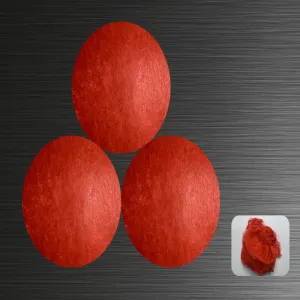
Sınıflandırmaları: Polyester Elyaf Nonwoven KumaşGörünümler: 21Sayı:Bırakma süresi: 2025-12-03 09:55:10Dokunmamış kumaş, elyafların kimyasal, mekanik, ısı veya solvent muamelesi yoluyla bağlanması veya birbirine kenetlenmesiyle yapılan mühendislik ürünü bir malzemedir. Geleneksel dokuma veya örme kumaşların aksine, dokunmamış kumaşlar doğrudan elyaftan üretildiğinden dokuma veya örme işlemi ortadan kaldırılır. Bu benzersiz üretim yöntemi, dokunmamış kumaşlara olağanüstü çok yönlülük, tekdüzelik ve işlevsellik sağlar. Dokunmamış kumaşlar hijyen, medikal, filtreleme, otomotiv, paketleme, inşaat ve endüstriyel uygulamalar gibi sektörlerde yaygın olarak kullanılmaktadır.
Haber
sınıflandırma:
-
[industry news]Nonwoven kumaşların yüzey sürtünme katsayısı nasıl ayarlanır...
2025-12-03 14:35:11
Dava
sınıflandırma:
Arama sonucu yok!
Video
sınıflandırma:
Arama sonucu yok!
İndir
sınıflandırma:
Arama sonucu yok!
İşe Alım
sınıflandırma:
Arama sonucu yok!
Önerilen ürünler
-
NEWS
Dokunmamış Kumaş
Daha fazla bilgi



 Telefon