
 English
 Portugues
 Pусский
 Tiếng Việt
Nonwoven Kumaş Üreticisi
Nonwoven Fabric Manufacturer Overview Nonwoven fabrics are versatile, engineered materials made from fibers bonded together through mechanical, thermal, or chemical processes, rather than weaving or knitting. These fabrics are widely used across industries such as healthcare, automotive, construction, agriculture, and hygiene products due to their durability, cost-effectiveness, and customizable properties. Production Processes Nonwoven fabrics are manufactured using several key techniques: 1. Spunbond: Molten polymers are extruded into continuous filaments, laid into a web, and thermally bonded. This method produces strong, lightweight fabrics ideal for medical gowns and geotextiles. 2. Meltblown: Fine fibers are created by blowing molten polymer with hot air, forming a dense web with high filtration efficiency—commonly used in face masks and air filters. 3. Needlepunch: Fibers are entangled using barbed needles, creating dense, durable fabrics for carpets and automotive interiors. 4. Hydroentanglement (Spunlace): High-pressure water jets interlock fibers, producing soft, absorbent fabrics like wipes and medical dressings. 5. Thermal Bonding: Heat is applied to melt thermoplastic fibers, bonding the web into a cohesive fabric used in disposable hygiene products. Applications - Medical: Surgical masks, drapes, and wound dressings due to sterility and breathability. - Hygiene: Diapers, sanitary napkins, and adult incontinence products for softness and absorbency. - Automotive: Interior trims, insulation, and filters for noise reduction and durability. - Agriculture: Crop covers and weed barriers for UV resistance and water permeability. - Construction: Geotextiles for erosion control and roofing membranes for waterproofing. Advantages - Customizability: Fibers, weight, and bonding methods can be tailored for specific needs. - Efficiency: Faster and cheaper to produce than woven fabrics. - Sustainability: Many manufacturers use recycled materials or biodegradable fibers to reduce environmental impact. Quality and Innovation Leading manufacturers invest in R&D to enhance fabric performance, such as improving tensile strength, flame resistance, or biodegradability. Compliance with international standards (ISO, ASTM, AATCC) ensures product safety and reliability. Conclusion Nonwoven fabric manufacturers play a critical role in modern industry by delivering high-performance, adaptable materials. Their ability to innovate and meet diverse demands makes them indispensable in global supply chains. Whether for medical protection, sustainable packaging, or industrial applications, nonwoven fabrics continue to evolve, driving efficiency and sustainability across sectors.
ürün
sınıflandırma:
-
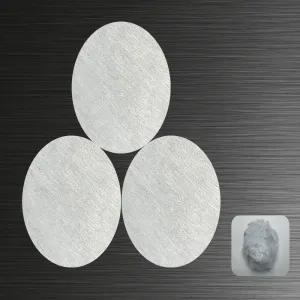
Dokunmamış Kumaş
Sınıflandırmaları: Elektrikli Nonwoven KumaşGörünümler: 13Sayı:Bırakma süresi: 2025-12-03 09:55:22Nonwoven Kumaş, çok çeşitli endüstriyel, tıbbi ve tüketici uygulamaları için tasarlanmış çok yönlü, yüksek performanslı bir malzemedir. Geleneksel dokuma veya örme tekstillerden farklı olarak dokunmamış kumaşlar, liflerin doğrudan mekanik, kimyasal veya termal işlemlerle bağlanmasıyla yapılır. Bu, mükemmel mekanik mukavemet, filtreleme verimliliği, yalıtım ve bariyer özellikleri sunan tekdüze, hafif ve dayanıklı bir yapıyla sonuçlanır.
Haber
sınıflandırma:
-
[industry news]Nonwoven kumaşların yüzey sürtünme katsayısı nasıl ayarlanır...
2025-12-03 14:35:11
Dava
sınıflandırma:
Arama sonucu yok!
Video
sınıflandırma:
Arama sonucu yok!
İndir
sınıflandırma:
Arama sonucu yok!
İşe Alım
sınıflandırma:
Arama sonucu yok!
Önerilen ürünler
-
NEWS
Dokunmamış Kumaş
Daha fazla bilgi



 Telefon