
 English
 Portugues
 Pусский
 Tiếng Việt
Elektrikli Nonwoven Kumaş Üreticisi
Electrical Nonwoven Fabric Manufacturer Electrical nonwoven fabrics are specialized materials designed for applications in electrical insulation, filtration, and other industrial uses. These fabrics are engineered to provide high dielectric strength, thermal resistance, and mechanical durability, making them essential in industries such as power generation, automotive, electronics, and aerospace. Key Features of Electrical Nonwoven Fabrics 1. High Dielectric Strength – These fabrics are designed to withstand high voltages, preventing electrical breakdown in critical applications. 2. Thermal Stability – They offer excellent resistance to heat, ensuring performance in high-temperature environments. 3. Chemical Resistance – Many electrical nonwoven fabrics are treated to resist oils, solvents, and other corrosive substances. 4. Lightweight & Flexible – Despite their durability, they remain lightweight and easy to handle, facilitating efficient manufacturing processes. 5. Customizable Properties – Depending on the application, these fabrics can be engineered with varying thicknesses, densities, and fiber compositions. Manufacturing Process The production of electrical nonwoven fabrics involves several key steps: - Fiber Selection – High-performance synthetic fibers such as polyester, aramid, or glass fibers are commonly used. - Web Formation – Fibers are laid into a web using methods like carding, air-laid, or wet-laid processes. - Bonding – The web is bonded through thermal, chemical, or mechanical means to enhance strength and stability. - Finishing Treatments – Additional coatings or treatments may be applied to improve flame retardancy, water resistance, or conductivity. Applications - Insulation Materials – Used in transformers, motors, and cables to prevent electrical leakage. - Battery Separators – Provide safe separation between electrodes in lithium-ion and other battery types. - EMI Shielding – Some fabrics are designed to block electromagnetic interference in sensitive electronic devices. - Filtration Media – Used in industrial filters to remove contaminants while maintaining electrical safety. Advantages Over Traditional Materials Compared to woven fabrics or films, nonwoven electrical fabrics offer better uniformity, cost efficiency, and adaptability. Their porous structure allows for improved breathability and filtration while maintaining electrical insulation properties. Conclusion Electrical nonwoven fabrics play a crucial role in modern industrial applications, offering superior insulation, durability, and customization. Manufacturers continuously innovate to meet evolving industry demands, ensuring these materials remain indispensable in electrical and electronic systems.
ürün
sınıflandırma:
Elektrikli Nonwoven Kumaş
-
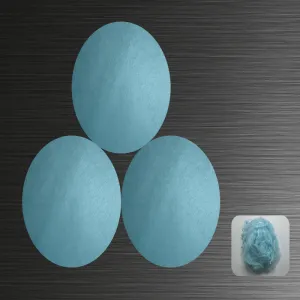
Elektrikli Nonwoven Kumaş
Sınıflandırmaları: Yalıtım Nonwoven KumaşGörünümler: 18Sayı:Bırakma süresi: 2025-12-03 09:55:15Elektrikli Nonwoven Kumaş, elektrik ve elektronik uygulamalarda yalıtım ve koruma için tasarlanmış yüksek performanslı bir malzemedir. Dokuma veya örme kumaşların aksine, dokunmamış kumaşlar, elyafların doğrudan bağlanmasıyla oluşturulur ve bu da mükemmel mekanik mukavemet, termal stabilite ve dielektrik özellikler sağlayan tekdüze bir yapı sağlar. Elektrikli dokunmamış kumaşlar, transformatörlerde, motorlarda, jeneratörlerde, güç kaynağı ünitelerinde ve güvenilir yalıtımın kritik olduğu diğer yüksek voltajlı ekipmanlarda yaygın olarak kullanılmaktadır.
Haber
sınıflandırma:
-
[Company News]Elektrikli dokunmamış kumaşların yüksek sıcaklıktaki ortamla...
2025-12-03 14:18:59
Dava
sınıflandırma:
Arama sonucu yok!
Video
sınıflandırma:
Arama sonucu yok!
İndir
sınıflandırma:
Arama sonucu yok!
İşe Alım
sınıflandırma:
Arama sonucu yok!
Önerilen ürünler
-
NEWS
Elektrikli Nonwoven Kumaş
Daha fazla bilgi



 Telefon